Portable Toilet Rental Companies: Transparent Pricing Guide
When people say they “just need a porta potty,” they usually mean they need it fast, reliably, and for a price that does not turn into a guessing game. Portable toilet rental pricing can feel slippery until you learn what actually drives the number, what is typically included, and what common line items tend to surprise first-time renters.
I have walked job sites where the crew is ready to work, the restroom plan is not, and the clock is already running on labor and schedule. In those moments, a few small details in the quote matter just as much as the headline rate.
This guide is written for customers comparing portable toilet rental companies and trying to understand what they are really paying for, especially if you are looking at Porta Potty Rental Boston or “portable toilets on rent” options for events, construction, or short-term needs.
How pricing really works (and why quotes vary)
Portable Toilet Rental pricing is usually built from a combination of base equipment cost and logistics. Even if two companies list a similar “per unit, per week” price, the total can swing based on delivery complexity, rental duration, and how the unit will be serviced.
The biggest misconception is that “rental” means “drop it off and leave it.” In practice, you are renting a system: delivery, setup, servicing during the rental period (if needed), and pickup. Some providers bundle certain steps, others separate them into add-ons. That is why one quote might look cheaper on paper, then catches up with extra fees once the details are accounted for.
To make comparison easier, treat every quote as a set of assumptions. Ask yourself what each number is based on, then confirm it in writing.
The core cost components to look for
Most transparent quotes break down into a handful of practical buckets. If a company will not clearly explain these, you are either dealing with a very new operation or a quote that is not built to be comparable.
Here are the main components that typically determine the price:
- Unit type and capacity: standard portable units, ADA compliant units, handwashing stations, and restroom trailers.
- Rental duration: a daily rate can differ from a weekly rate, and “minimum days” are common.
- Delivery distance and access: travel fees, tolls, and difficulty of placement can change the number.
- Service frequency: freshings, pump-outs, and restocking may be included or billed per visit.
Once you see these categories, you can translate any quote into a like-for-like comparison. For example, a “cheap portable toilet rental” might be cheap only if it is assumed to be a short-term use with no additional service, or if it is for a very basic unit placed where access is easy.
Standard units vs. ADA units vs. Restrooms trailers
A lot of pricing confusion starts with the Portable Potty Rental Near Me assumption that all porta potties are the same. They are not.
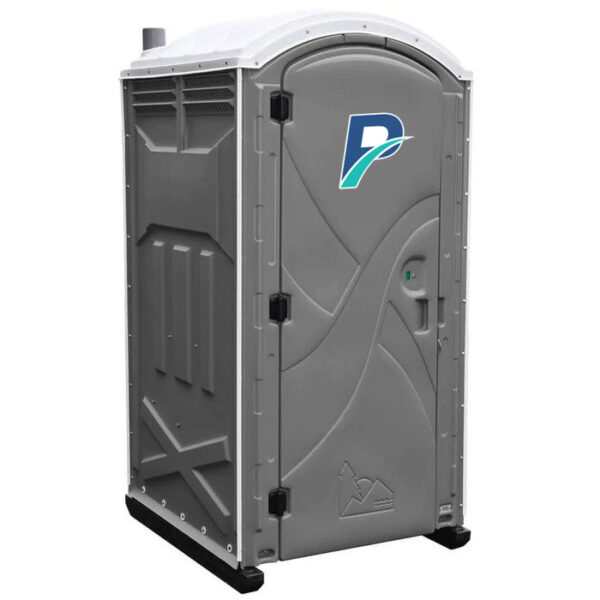
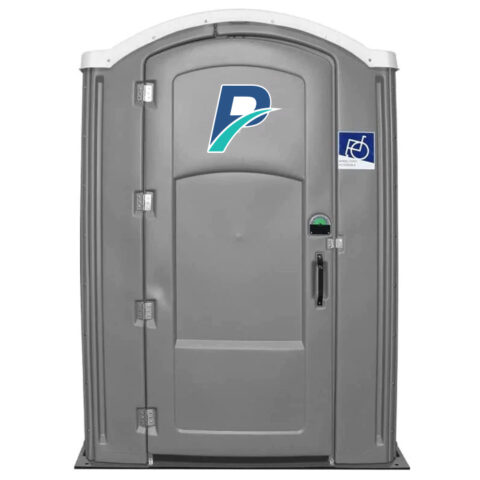
A standard unit is typically the baseline price, often priced for events or construction sites where most attendees can use a regular toilet. ADA portable toilet rental units are designed for accessibility, with wider clearances and features that often increase both unit cost and placement requirements. That is reflected in the quote.
Restroom trailers or premium “event style” units can cost significantly more. You pay for amenities, larger holding capacity, and more robust setups that are meant to handle higher traffic. If your event includes VIP areas, long operating hours, or you want handwashing and sinks included, the trailer options can be worth it. If you truly only need something functional for a short window, that same premium system can be overkill.
Delivery, setup, and pickup: where hidden costs hide
Delivery and pickup are often where quotes diverge. Two companies might both offer the same unit price, but Porta Potty Rental Boston Premier Portable Potties one might include delivery within a certain radius, while the other charges travel beyond a smaller coverage area.
Placement access is another detail customers miss. If you are on a tight urban site, near curbs, in a loading zone, or behind a gate with limited hours, delivery can become slower and more complicated. That can trigger extra charges, even if the unit itself is the same.
I have seen situations where the “site ready time” changed everything. For instance, a crew planned to place the unit on a flat area near the road, then the contractor delayed site preparation. The delivery team arrived, the unit could not be set as planned, and the return trip later cost more. That is not always anyone’s fault, but it is exactly why transparent quotes should include assumptions about access and timing.
Pickup pricing can be affected by whether the site is accessible at the end of the rental period and whether the unit is left where the driver can quickly retrieve it. If the unit must be moved internally or if access changes, the logistics can change.
Service frequency: the difference between “dropped” and “managed”
If you are renting portable toilets for anything longer than a short window, you usually need servicing. But “servicing” is not one uniform thing.
Some providers offer basic units that are delivered and picked up, assuming a light use or very short duration. Others will include scheduled pump-outs and restocking during the rental period. Premium event setups might include more frequent servicing, sometimes daily depending on attendance and duration.
The practical trade-off is this: more frequent servicing costs more, but it also reduces the risk of odor, overflow issues, and unhappy attendees. Cheaper quotes can work in the right circumstances, like a half-day work crew with predictable usage or a low-attendance outdoor function where the units are used lightly and only for a limited time.
For longer rentals, emergency portable toilet rental becomes a different category. If you are calling because something failed, you typically need fast delivery and may need a servicing plan immediately. Even when the unit cost is similar to standard rentals, the speed can drive price.
If a quote does not mention service frequency at all, treat it as incomplete. For any meaningful time period, confirm whether pump-outs and restocking are included and how often.
Rental duration and minimum days
Portable toilet rental contracts often use minimum rental days or minimum charges. This is common because the provider is scheduling routes, drivers, and maintenance.
Daily rates can feel attractive if you are planning something small, but the minimum day requirement can make a daily rate less meaningful. Weekly pricing can also be structured as “per week” while still requiring a minimum window.
To compare properly, look for these terms in the quote or contract:
- minimum rental duration
- whether extra days are prorated or billed at the full daily rate
- whether weekly pricing assumes a specific service frequency
In practice, a “weekly” quote might include a certain number of service visits. If you extend the rental, the provider may add service visits and charge accordingly.
Getting quotes that are actually comparable
When you compare Portable Toilet Rental pricing from multiple companies, your goal is to make them compete on the same assumptions.
Start by matching:
- unit type (standard vs ADA vs trailer)
- approximate number of users
- rental length and dates
- placement constraints (gates, stairs, surface type)
- whether you need handwashing stations, paper products, or extra supplies
Even if two companies use different pricing models, you can still compare totals once the service level is aligned.
A common mistake is asking for a quote without describing the event or job. That leads to overly generic numbers that do not reflect real conditions. If your site is in a dense area, the “distance” part of the quote can become the main variable.
Example scenarios: how prices can differ
Let me give a few realistic “what changes the price” scenarios I have seen play out on jobs.
Construction site, short term, predictable access
A small crew on a clear, accessible lot for a few days can often qualify for a straightforward delivery and pickup plan. If the provider assumes a manageable usage and the rental period is short enough, you may not see large service add-ons. The quote can feel “reasonable” because most costs are baked into a simple schedule.
Outdoor event with high attendance, long hours
A summer event that runs all day and draws a crowd that keeps using the toilets is a different story. You want servicing included, sometimes more than one pump-out during the event day depending on unit type, attendance, and duration. The unit cost might not be the main driver. It might be the number of servicing visits.
Urban delivery with access restrictions
If you are in a place where the truck must park far away or where placement requires navigating curbs, sidewalks, or tight turn radii, delivery and setup can add to the bill. Even if the provider is local, logistics can matter as much as the equipment.
Emergency portable toilet rental after a failure
When you need emergency delivery because a toilet has broken down, a scheduled unit was lost, or you underestimated demand, you are paying for urgency. Some companies can deliver quickly, but they typically still need to schedule a route and dedicate labor. The “speed premium” can show up even if the unit itself is comparable.
Transparent pricing should answer these questions clearly
If a portable toilet rental company is trying to be transparent, you should be able to get clean answers. You are not asking for legalese, you are asking for clarity you can use to make a decision.
Use these questions as a filter when you are calling around, especially if you are comparing Porta Potty Rental Boston options or looking for emergency coverage:
- What exactly is included in the quote (delivery, pickup, service visits, supplies)?
- How many days is the minimum rental, and what happens if we add one extra day?
- Is servicing included, and if yes, how often will the unit be checked and cleaned?
- Are there any additional fees for access limitations, travel distance, or placement difficulty?
- What unit type are we renting, and does the unit match the accessibility or capacity needs?
If the answers are vague, that is your signal to get a revised quote with explicit inclusions. A transparent quote should not force you to infer what is or is not included.
Understanding “cheap” portable toilet rental without getting burned
“Cheap portable toilet rental” is often a legitimate goal. Budgets are real, and not every project needs a premium setup. The problem is that “cheap” can mean different things.
Sometimes cheap means:
- shorter rental period
- standard unit only
- no handwashing station
- fewer servicing visits because usage is expected to be light
Sometimes cheap means:
- delivery and pickup assumptions that do not match your site
- service visits that are not included or are billed separately
- supplies billed as add-ons
If you want to keep the price low, focus on reducing cost drivers that do not impact user experience as much. For example, if your event is short and the crowd is small, you may not need extra upgrades. If your job site has straightforward access, you may not need complicated placement. But if usage is high, skipping service can create problems that become far more expensive in refunds, complaints, or schedule disruptions.
Special cases that affect pricing
Not every order is a straight “one unit for seven days.” Certain conditions can push the quote up, and the best companies will flag these early.
Accessibility and ADA requirements
If you need an accessible unit, expect higher pricing than a standard unit. Also confirm location requirements for safe access. ADA units often need a placement area that supports accessibility flow.
Handwashing needs
Some events want handwashing, especially food-related operations or public gatherings. Handwashing stations can increase the total price, and they also affect servicing. A handwashing station that runs out of supplies is not just an inconvenience, it can be a compliance issue depending on your context.
Weather and seasonal demand
In certain seasons, demand can spike. That does not change unit cost itself, but it can affect availability, delivery scheduling, and how quickly you can secure the unit you want. That schedule pressure can show up in the final quote.
Power availability (for some premium setups)
If you are considering certain premium systems, you may run into power or installation considerations. A quote that does not ask about these details may be under-scoped.
What to put in writing before you approve the quote
A transparent process is also a paperwork process. Even if you are booking over the phone, you want confirmation in writing.
Before approving anything, make sure the quote includes:
- unit count and unit type
- delivery date and pickup date (or a rental period with exact dates)
- service frequency or the rule for servicing during the rental
- included supplies (paper, sanitizer, liners, if applicable)
- any fees for access or travel
- cancellation or rescheduling policies, especially for emergency portable toilet rental
The best quotes read like a plan. You should be able to point to the service schedule and understand what happens during the rental, not just at drop-off and pickup.
How many units you actually need, and how that affects price
People often choose the wrong unit count because the price feels manageable at first. Underestimating leads to crowding, long lines, complaints, and a faster need for servicing. Overestimating increases cost.
I will keep this practical: your required number of units depends on attendance, duration, and whether your site has alcohol service or heavy foot traffic. For construction crews, it depends on work hours and whether there is on-site plumbing for part of the day.
Because exact formulas can vary by local practice and event type, it is smart to ask the provider what they recommend for your scenario. A good company will not just sell equipment, they will ask enough questions to steer you away from a bad fit.
If you only compare prices without aligning unit count, the “cheapest” option can become the most expensive one because it fails on capacity and creates downtime or extra service.
Common billing surprises (and how to prevent them)
Even reputable companies can surprise you if a job site plan changes or if you misunderstand what the rental includes. The key is to spot the common surprises and lock them down early.
“Service included” but not what you expected
Sometimes “service included” refers to a basic schedule for a short rental period. For longer rentals, you may need additional pump-outs and the provider may adjust pricing. Confirm the visit frequency, not just the phrase.
Additional fees for access changes
If you move the placement location after delivery, you may trigger additional labor or a second visit. It can be small or it can be substantial depending on the setup.
Shortening the rental period
Some quotes work out only if you keep the rental window. If you cut it down, you might still pay minimum days or minimum charges because the unit was reserved and scheduled.
Extra supplies
If you need special supplies, like extra paper or handwashing, you may be billed separately. Confirm what is included before you arrive at the event and realize the expectation was different.
Choosing a provider in a competitive market
When you are looking specifically at Porta Potty Rental Boston, you may have multiple vendors to choose from. Pricing is important, but so is reliability and communication.
A transparent price is useful only if the service shows up when it says it will. Late deliveries and unclear servicing schedules create chaos on job sites and events. When you call, pay attention to whether the company asks good questions or gives you a vague price with minimal detail.
If you are comparing portable toilet rental companies, look for consistency:
- clear delivery and pickup planning
- service frequency described in plain language
- responsiveness when you ask about access constraints
- willingness to confirm details in writing
That is the kind of professionalism that prevents “quote day” surprises from becoming “event day” problems.
A practical way to compare two quotes quickly
If you have two quotes in front of you, do not just compare the total dollar amount. Translate each quote into the same assumptions.
Start by checking:
- same unit type and number of units
- same rental window
- same servicing plan (including pump-outs and restocking)
- same delivery and pickup expectations
- same supply inclusions
If one quote has a lower unit rate but charges separately for servicing, the “cheap” quote may not actually be cheaper over the full rental period. Likewise, a quote that looks higher might include servicing that the cheaper one would charge later.
This is not about finding the cheapest price. It is about finding the best value for your usage level, schedule, and site conditions.
Final checklist before you book (quick and useful)
Once you have the quote and you feel confident it matches your project, do one last pass to prevent avoidable issues. This is also where you confirm readiness on your end.
If you are renting Portable Toilet Rental for an event or a construction site, walk through placement and coordination:
- ensure the placement location is ready for delivery
- confirm who will be present to accept the delivery if timing is tight
- make sure the unit has safe access and a stable base
- confirm the servicing plan so you know what “on time” means
A few minutes of coordination can save hours of frustration later.
Portable toilet rental pricing is not a mystery, but it is not a single number either. The total cost reflects unit type, service management, delivery and pickup logistics, and how well the rental plan fits the realities of your site. If you ask the right questions, line up the assumptions, and insist on clear inclusions, you can compare offers confidently and avoid the classic pitfalls that turn “cheap portable toilet rental” into a problem you have to solve mid-project.
Premier Portable Potties
35 Industrial Dr, East Bridgewater, MA 02333, United States
(774) 444-6997
[email protected]
website: https://www.premier.boston/