Porta Potty Rental Boston for Outdoor Festivals: Planning Guide
Outdoor festivals in Boston are a particular kind of beautiful: tight schedules, changing weather, and crowds that build faster than any vendor plan. A big chunk of your attendee experience comes down to the details people only notice when they are missing. Restrooms are one of those details. You can have great music, strong food lines, and Porta Potty Rental Boston Premier Portable Potties clean signage, and still lose goodwill if the restroom situation is chaotic.
That is why porta potty rental needs to start early, not the week before. In practice, “early” means you are thinking about locations, counts, delivery windows, servicing frequency, accessibility, and contingency options while the rest of the event logistics are still flexible. This guide is written from the perspective of real event planning work: what goes wrong, how to prevent it, and how to coordinate with portable toilet rental companies so you get a setup that actually works for your crowd.
Start with the real question: capacity and turnover, not just “a few units”
When people ask about Portable Toilet Rental, they often focus on how many units they can afford. That’s understandable, especially when budgets are tight. But festival bathrooms are less about the number of toilets you own and more about the rate at which those toilets can be used, serviced, and kept functional.
A portable toilet can handle a reasonable amount of traffic before servicing is needed. The limiting factors are:
- how long the lines become when supply is low
- how quickly interiors get dirty when volumes spike
- whether waste holding capacity is reached mid-event
- whether the unit can be accessed safely and comfortably
For an outdoor festival, the crowd pattern matters almost as much as headcount. A show ending at a particular time often causes a restroom surge. Food and drink vendors create their own peaks. If your event includes family-friendly programming, you will see different usage behavior than a late-night crowd.
The practical way to plan is to estimate usage based on attendance and event schedule, then choose a unit count that protects you against the “unexpected extra crowd” scenario. If you are unsure, it’s usually safer to size slightly above what you think you need, because adding more units after the fact is difficult once delivery and placement schedules are locked.
Boston-specific realities that affect placement and service
Boston events often run in neighborhoods with older streets, tighter access points, and more sensitivity to pedestrian flow. Even when you have a venue with dedicated space, you still have to think about how delivery vehicles will reach the area, where the units will sit, and how you will keep paths safe for attendees.
Weather is another Boston constant. Rain can change how mud or standing water forms around restroom locations. Wind can affect tenting, but it also affects how you plan for odors and airflow. Winter is the big one, especially for multi-day events. Freezing conditions can make service more complicated and can shorten the window where a standard setup performs well. If your festival runs late in the year, your porta potty plan should account for that early, not after the first cold snap.
Then there is the public-facing side. If your portable toilets look out of place, restrooms become an obstacle in the attendee mind. A clean, well-placed unit with clear wayfinding gets used. A poorly placed unit that is hard to reach gets bypassed, and that shows up in complaints fast.
Choosing the right number of porta potties for your festival
No one can give you a single universal formula that works for every event. Usage rates depend on duration, age mix, alcohol availability, how many other restroom options exist, and how clearly you manage lines.
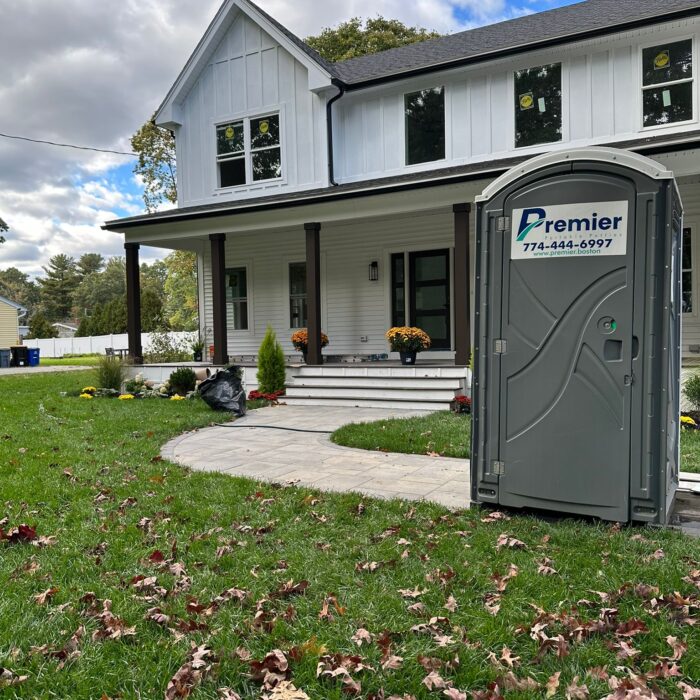
But you can still make a defensible plan. The key is to work from worst-case assumptions. A festival that claims “around 5,000 attendees” might actually serve 7,000 over the day if it includes walking traffic that grows throughout the event window. If your event runs 6 hours versus 12 hours, you may need similar total capacity but different turnover expectations.
Here is a practical planning approach that event teams use because it is workable in the real world: you decide how many restroom visits you can reasonably absorb per hour without long lines, then you pick a unit count that can keep pace once you factor in servicing and the fact that some units will be slightly less used than others due to placement.
If you want to reduce guesswork, talk with a provider early. The best portable toilet rental companies will ask questions about event hours, crowd flow, and location constraints before quoting. That conversation alone is a sign you are dealing with a company that plans, not just delivers.
A placement strategy that reduces lines and keeps everyone safe
Even the right number of units can perform poorly if they are placed in a way that creates bottlenecks or forces people to walk through the hardest parts of the venue. Good placement is also about accessibility and safety, not convenience for your staff.
Think about where attendees naturally move. If your main attractions are clustered, place restroom access so people do not have to cross through high-traffic areas to use it. If you have multiple stages, you may need restrooms positioned to serve each zone.
Also consider the pathway. A restroom location that is technically “close” but requires stepping over cords, crossing muddy grass, or navigating a narrow aisle will reduce usage and increase complaints.
Use this as a quick placement checklist when you are coordinating with your Porta Potty Rental Boston provider:
- Select locations with safe, visible paths from the main crowd areas
- Avoid placing units where delivery trucks will repeatedly block walkways during servicing
- Plan for drainage so the area stays passable after rain
- Keep units far enough from food and gathering zones to minimize odor complaints
- Make sure accessible routes are maintained for any mobility needs
If you do those things, you will usually see shorter lines and fewer “why are the bathrooms all the way over there” conversations.
Accessibility matters more than most organizers expect
Accessibility is not just about whether you have one accessible unit. It is about whether attendees can reach it without obstacles and whether the path is usable before and during the event.
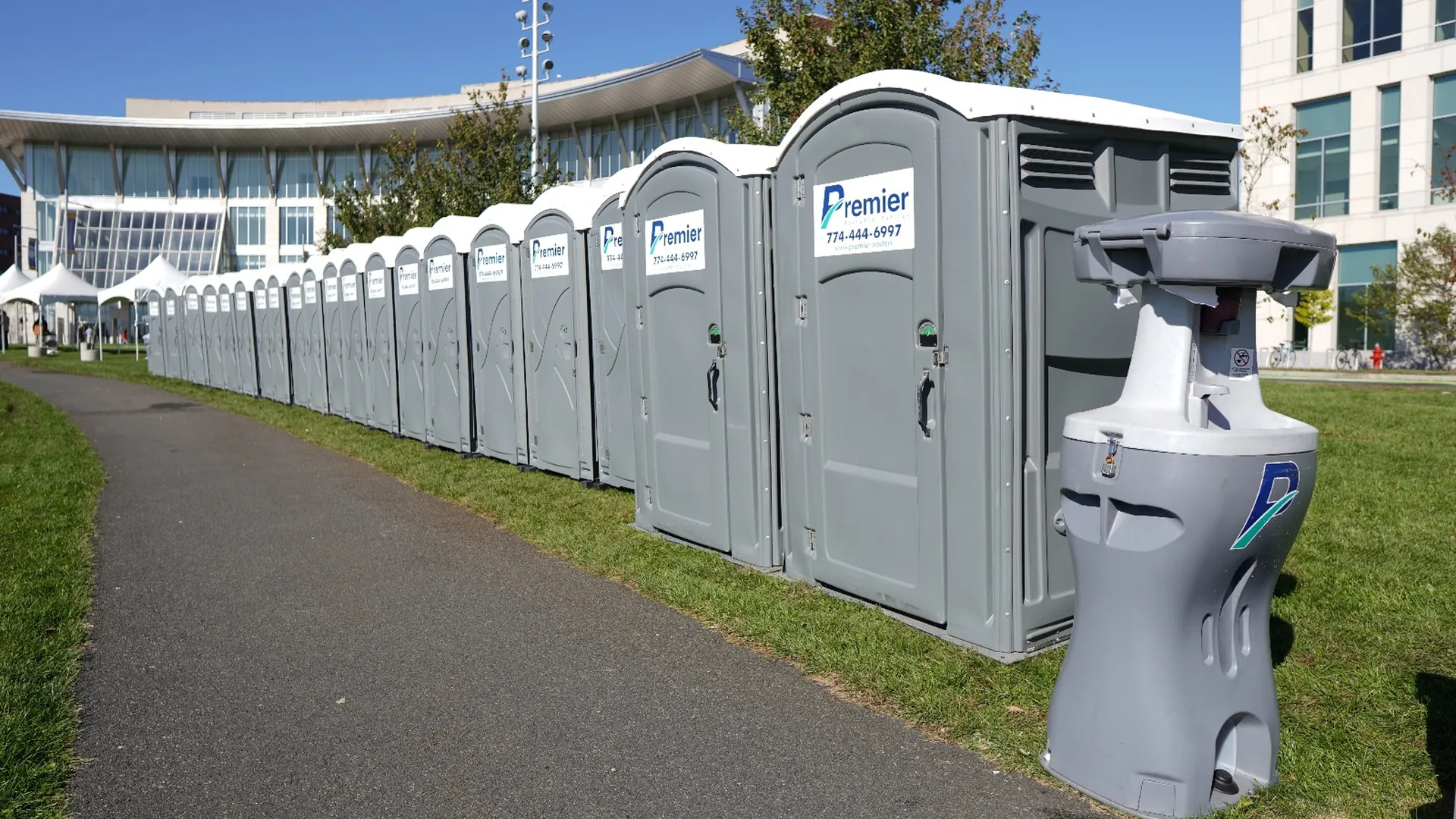
For many outdoor festivals, accessible routes can be the deciding factor between “we included an accessible unit” and “people actually can use it comfortably.” Consider:
- Is the ground even, stable, and not covered in puddles?
- Are there curbs, temporary flooring gaps, or steep slopes on the route?
- Is the accessible unit near signage and not hidden behind equipment?
If you need accessible options, confirm what your provider supplies and how they handle placement. Some providers can coordinate accessible Portable Toilet Rental configurations, but you still need to give them accurate site information so they can deliver in a way that supports access.
Servicing: the difference between “usable” and “gross by midday”
Restroom odor, cleanliness, and functionality come down to servicing frequency and logistics. For a festival, the goal is not simply to empty waste. The goal is to keep the units clean enough that people keep using them instead of moving to off-site options or making noise about the condition.
The best providers plan service around your event schedule and traffic patterns. That might mean an earlier service stop for a short event with heavy morning traffic, or it might mean more frequent servicing for longer days and high-volume crowd sections.
When you talk with portable toilet rental companies, ask how servicing is handled for events of your size and duration. Some companies offer standard servicing intervals, while others adjust based on expected usage. Either way, make sure the plan includes a clear “what happens if we run ahead or behind schedule” approach.
Also pay attention to on-site coordination. Your staff or event coordinator should know who will be let into the site for servicing. If security gates close, or if you do not have someone available to show where the unit sits, you end up with missed service windows. That is when you get the unpleasant surprises that are hardest to recover from.
Emergency portable toilet rental: what it really looks like
Sometimes Porta Potty Rental you do everything right and still end up needing emergency portable toilet rental. Maybe another vendor drops out last minute. Maybe a permit change reduces your allowed restroom count. Maybe weather forces a layout shift, and you realize a key restroom zone is too far from the crowd.
In Boston, emergency situations are usually about timing and access. Deliveries can be impacted by road conditions, unloading logistics, and venue rules. If you wait until the “problem day” to solve it, you might still find a provider, but you will pay more and have fewer choices about specific unit types.
If emergency backup is a real possibility for your event, build a contingency plan while you still have time. That plan should include:
- identifying the likely restroom shortage scenarios
- confirming what unit types you can swap in quickly
- agreeing on a delivery and servicing window that fits your event
- verifying site access rules so the provider can unload without delays
It is also worth asking the provider up front how they handle rush requests. Some companies can respond quickly, but you want that capability confirmed in writing, not hoped for in a call.
Budgeting without cutting into the attendee experience
Let’s talk about cheap portable toilet rental, because many organizers start there. Price matters, and you should compare options. But the cheapest setup can cost more in the long run if it leads to longer lines, more complaints, or extra staffing for crowd management.
When you compare quotes from different Portable Toilet Rental providers, don’t look only at “cost per unit.” Look at what is included in the overall arrangement. Ask about:
- how often they service during your event window
- whether they supply restocking for hand hygiene items if that is part of your plan
- how they handle delivery and pickup timing
- whether they include extra units for contingencies or only the exact count quoted
It is very common to find a price that looks attractive until you understand the service schedule and the true delivery constraints. A well-priced quote will explain its assumptions clearly, because they are experienced with the variables your event presents.
If budget is tight, you can still make smart choices. For example, instead of undercounting across the board, you might invest in better placement and a stronger plan for servicing, or you might prioritize restroom zones that serve the largest crowd spikes.
Portable toilets on rent: what to ask before you sign
People tend to treat rental as a simple transaction, but festival restroom rentals are operational projects. The best outcome comes from clear expectations between you and the provider.
Before signing, you should confirm the essentials and get them in plain language. You do not need a 20-page contract for it, but you do need operational clarity. Here are the core questions that prevent headaches:
- What is the delivery window on event day, and what is the pickup window after the event ends?
- How many servicing visits are included, and what triggers an additional visit?
- What is included for basic hygiene supplies, and what is optional?
- How do they handle unit placement changes if your site layout shifts?
- Who is the on-site contact for access during servicing?
If a portable toilet rental company answers these easily and asks you questions about your event schedule and site layout, you are likely dealing with a team that understands the difference between a delivery and a working restroom plan.
Managing odors and cleanliness the way attendees actually judge it
Odor complaints can become a wildfire, even when the units are technically working. Attendees are more likely to forgive a line than a smell. That is why you should treat odor control as part of the logistics, not just the supplier’s job.
Placement is the first step. Keep units away from areas where people linger and eat. Also consider wind direction if your festival has open-air sections. Even a small shift in placement can change how scents travel.
Second, prioritize servicing. If you delay service because you assume usage will slow down, odor buildup can become noticeable before you think it should.
Third, manage how the restrooms are viewed. If people see staff cleaning and if the area around the unit stays orderly, you often reduce complaints even when the event is busy. Cleanliness is not just about sanitation. It changes how people feel about the whole experience.
Coordination with venue rules, permits, and security
Outdoor festivals in Boston can involve multiple stakeholders: property owners, city permitting offices, venue management, and security teams. Each one can influence where portable units can go and how delivery vehicles can unload.
Your porta potty plan should be consistent with the site rules from the beginning. If the venue has restrictions on staging equipment, you need to know whether the provider can place units in the suggested locations. If security requires escort for vendors, you need to build that time into your delivery and service schedule.
Also consider how you will protect the units during the event. Crowd behavior can be unpredictable. If units are too accessible, they can be vandalized or used in ways you did not anticipate. If they are placed in a controlled access area with clear routes, you reduce that risk.
Handling different zones: multiple stages, sponsor areas, and food courts
A common festival mistake is placing all porta potties in one corner. It feels efficient for staffing and placement, but it almost guarantees long lines near that corner and a restroom “desert” in other zones.
If your event has multiple major areas, plan restroom distribution so that each zone has reasonable access. Even if each zone gets fewer units, the reduced walking distance can improve perceived availability. In other words, people do not only want toilets, they want toilets that feel reachable during high-demand periods.
For food courts, be especially mindful. Food and drink create usage spikes, so you might need either additional units or units positioned so the food zone is not forcing attendees to cross the entire event for relief.
Winter and shoulder season: planning for cold weather performance
If your event runs in colder months, plan for a narrower performance window and the need for careful handling. Freezing conditions can change how units function, particularly if you are dealing with extended hours outdoors.
The safe move is to talk early with your provider about weather adjustments. Some teams can recommend specific unit options or service schedules to reduce risk. If you are planning a festival around late fall or winter in the Boston area, make the porta potty plan part of your cold-weather plan, not a separate task.
What a good porta potty rental process looks like
When a rental goes smoothly, it often means the team behind it did boring logistics well: correct unit count, correct delivery timing, sensible placement, and predictable servicing. When it goes badly, it typically means one of those pieces was missing.
Here is how the planning process usually looks when it is done right.
First, your provider reviews your event details: date, hours, expected attendance, layout, and how access works for delivery vehicles. Second, you discuss where the units can be placed and how they will be serviced. Third, you confirm contingency options for weather or crowd shifts.
The best providers also help you avoid “false confidence.” They will not pretend there is a perfect number for units that fits all variables. Instead, they guide you toward a plan that can absorb uncertainty, because festivals almost always include some level of surprise.
Common compliance and operational items to coordinate
Restrooms are often part of broader health and safety expectations for events. Even if your event does not require the same level of documentation as a long-term construction site, it still makes sense to confirm what you need for your specific setup.
Coordinate these items with your provider and your venue team:
- confirmation of accessibility needs and route feasibility
- placement permissions on the property or public right of way
- servicing access rules for staff and any security escort requirements
- waste handling expectations for pickup and final removal
If you align these early, you avoid the last-minute scramble that turns a logistics project into a crisis.
How to compare porta potty rental Boston options without getting misled
Porta Potty Rental Boston is competitive, and you can find a wide range of service styles and pricing structures. The challenge is that quotes can look similar while the service depth differs.
To compare providers fairly, ask for clarity on what you are paying for. You want specifics on service intervals, unit types, delivery and pickup windows, and how they handle changes on-site. A quote that is too vague often becomes expensive later.
Also consider communication. During planning, you should feel like your provider is responsive and practical. If they respond with only pricing and no operational questions, it may be a sign they are not planning around your event’s realities.
Finally, look for fit. Some portable toilet rental companies focus on quick deployments, others on event support with more on-site coordination. Your best match is the one whose process aligns with your festival complexity.
Practical planning timeline you can actually follow
You do not need a massive Gantt chart to manage this, but you do need a realistic schedule. For many festivals, restroom planning should start at least a few weeks ahead. For larger events, earlier is smarter, especially if you need accessible configurations or multiple zones.
At a minimum, you should secure your porta potty plan while your site map is still flexible. If you wait until your layout is final and then ask for a different placement, you may run into delivery constraints and pricing changes.
If you are planning peak-season dates or popular weekend slots, book earlier than you think you need. Boston weekends can fill up fast, and providers get booked to capacity.
Final thoughts from the planning desk
A strong festival restroom setup is quiet when it is working and loud when it is not. You want the working version. That means planning around crowd patterns, choosing placement that matches real attendee movement, and locking in servicing so the units stay clean and functional.
If you are exploring Porta Potty Rental Boston options, treat it like an operations plan, not a single purchase. The difference between a smooth event and a stressful one is often the quality of the planning conversation, the accuracy of your site details, and the strength of your contingency plan for the day-of surprises.
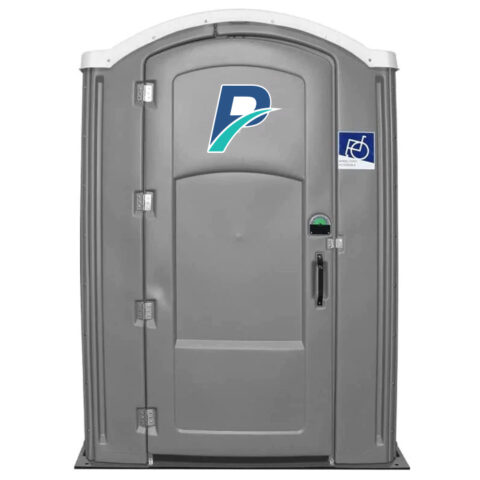
And if you ever find yourself needing emergency portable toilet rental, the best time to prepare is before you need it. That is when you can choose the right units, place them thoughtfully, and keep your festival moving the way it should.
Premier Portable Potties
35 Industrial Dr, East Bridgewater, MA 02333, United States
(774) 444-6997
[email protected]
website: https://www.premier.boston/